🤔 What is it?
Locality Sensitive Hashing (LSH) is an efficient technique used for approximate KNN search, which is a core function of several billion-dollar companies such as Amazon, Google, Netflix, Spotify, and Uber. What makes LSH so popular is its ability to perform efficient and fast similarity search. In simple terms, LSH maps similar data points to the same hash bucket with high probability, allowing for fast similarity search while maintaining a reasonable level of accuracy.
🕵️♂️ How does it work?
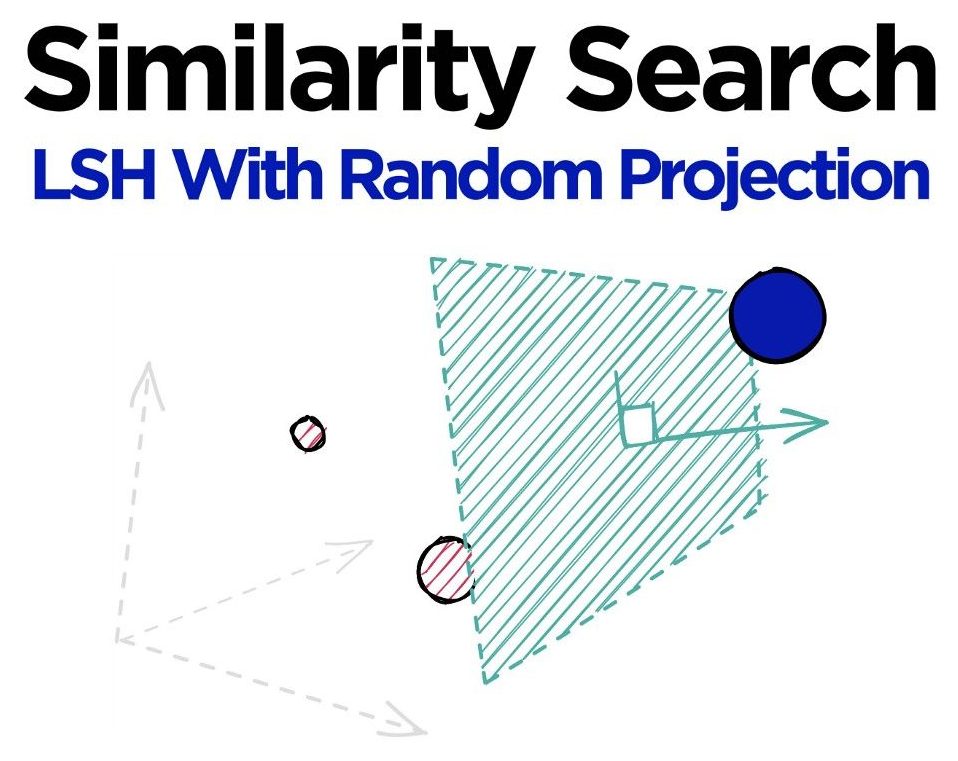
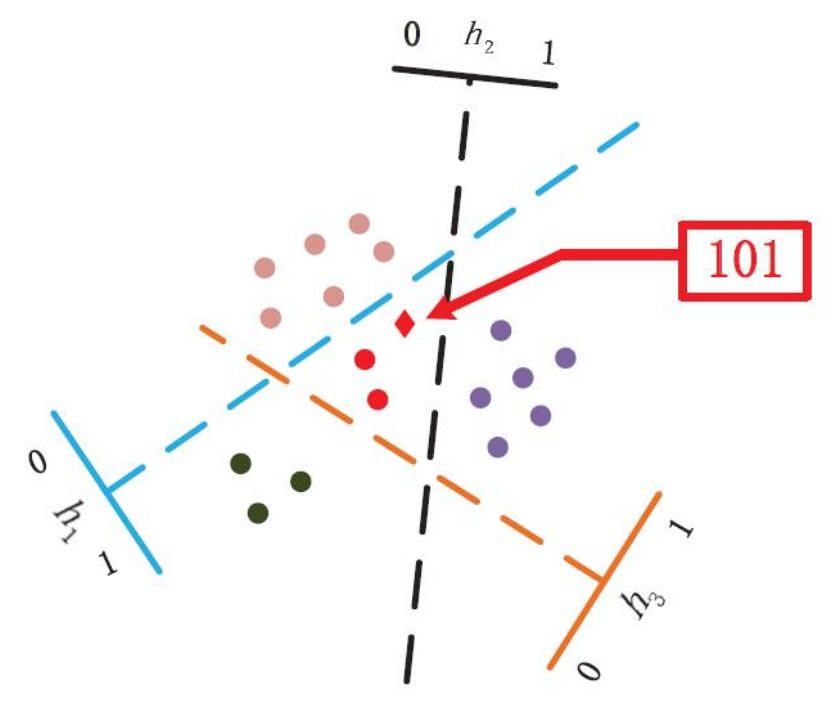
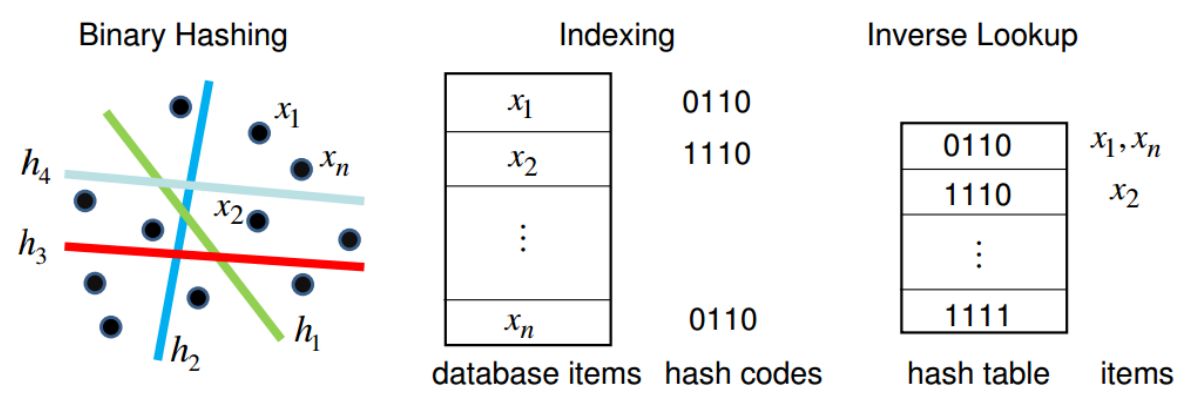
The LSH algorithm leverages a family of hash functions and random hyperplanes to partition the feature space into regions, allowing similar data points to be grouped together in the same hash bucket. Each hash bucket represents a region in the feature space. Once the hash buckets are constructed, we can perform the approximate KNN search by identifying candidate neighbors based on their hash values. The accuracy and efficiency of LSH depend on the quality of hash functions and the number of hash buckets used. Increasing the number of buckets improves accuracy but also increases computational cost.
👨💻 My personal story
As a Machine Learning Engineer, I can say that working with large datasets and high-dimensional feature spaces can be a challenging task. That’s where techniques like LSH come into play, allowing us to perform efficient similarity search and reduce the computational cost of the search process. LSH has been an essential tool for me when working on NLP problems, especially when dealing with large document datasets. It has allowed me to perform document retrieval tasks and save computational resources.
📚 Who should learn it?
LSH is a widely used algorithm that enables efficient similarity search on large datasets, making it an essential tool for machine learning professionals. Learning LSH can provide practical skills and deeper understanding of fundamental concepts for those interested in building efficient and scalable information retrieval systems. In general, LSH can be applied to various applications, including recommendation systems, content-based image retrieval, and document retrieval.
🗣️ Let’s talk!
Have you used LSH in any of your machine learning projects? What were your experiences with it? I am here to help if you have any questions or would like to know more.