Tag Archive: unsupervised learning


🤔 What is it?

K-means is a popular unsupervised clustering algorithm used to partition data points into K clusters. It is a part of the centroid-based clustering family of algorithms and is particularly useful when the data is unstructured and has no predefined labels. K-means can be applied to a wide range of problems, such as customer segmentation, market research, document clustering, image segmentation, and more.

🕵️‍♂️ How does it work?

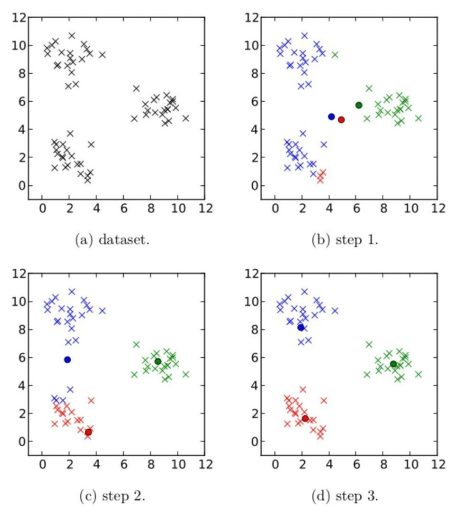
Here are the steps of the K-means algorithm:

Step 1: Randomly initialize K cluster centroids.

Step 2: Assign each data point to its nearest centroid cluster.

Step 3: Update the centroid of each cluster based on the mean of the data points in the cluster.

Step 4: Repeat steps 2 and 3 until the centroids no longer move, or until a maximum number of iterations is reached.

The choice of initial cluster centroids can have a significant impact on the final clustering result. Therefore, good initialization is crucial to obtain optimal results. One common technique for initialization is called K-means++, which aims to choose initial centroids that are well-spaced and representative of the dataset.

👨‍💻 My personal story

K-means was one of the first unsupervised learning algorithms I learned as a Machine Learning Engineer. It helped me understand how to group similar data points and paved the way for me to learn more complex techniques (such as hierarchical clustering and density-based clustering). By using K-means, I was able to efficiently analyze large datasets and gain valuable insights for my projects.

💡 Why is it useful?

K-means is a powerful algorithm for clustering and identifying patterns in large datasets. It is particularly useful when the data is unstructured and has no predefined labels. However, it is more suitable for numerical data and requires feature scaling since distances are used to measure distance between data points. The choice of K needs to be specified by the data scientist based on the problem at hand. The elbow method can be used to select the optimal number of clusters for a dataset. K-means can provide quick and accurate results, making it a versatile and valuable tool for machine learning engineers.

📚 Who should learn it?

K-means is a fundamental algorithm that any beginner in machine learning should learn. It is also useful for experienced machine learning engineers who want to further improve their clustering and pattern recognition skills. Additionally, anyone who wants to analyze and make sense of large datasets should learn this algorithm.

🗣️ Let’s talk!

Have you used K-means before? What was your experience with the algorithm? Do you have any questions or suggestions for using K-means in different fields?
🧐 As a Machine Learning Engineer, I find autoencoders to be a valuable tool for dimensionality reduction and feature learning.

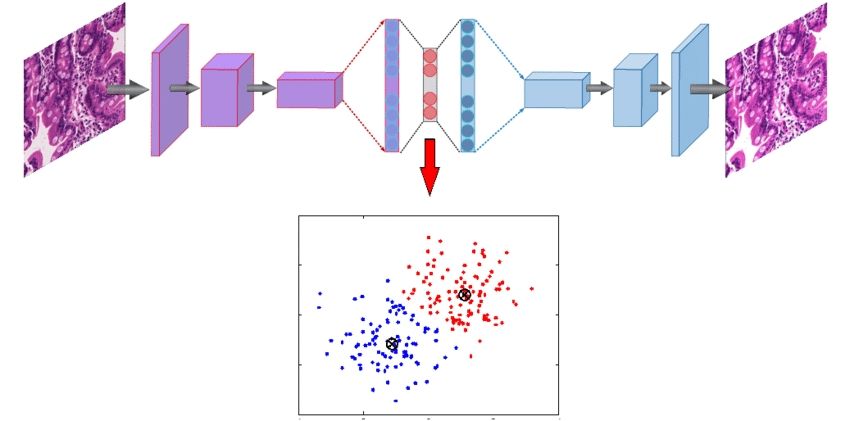
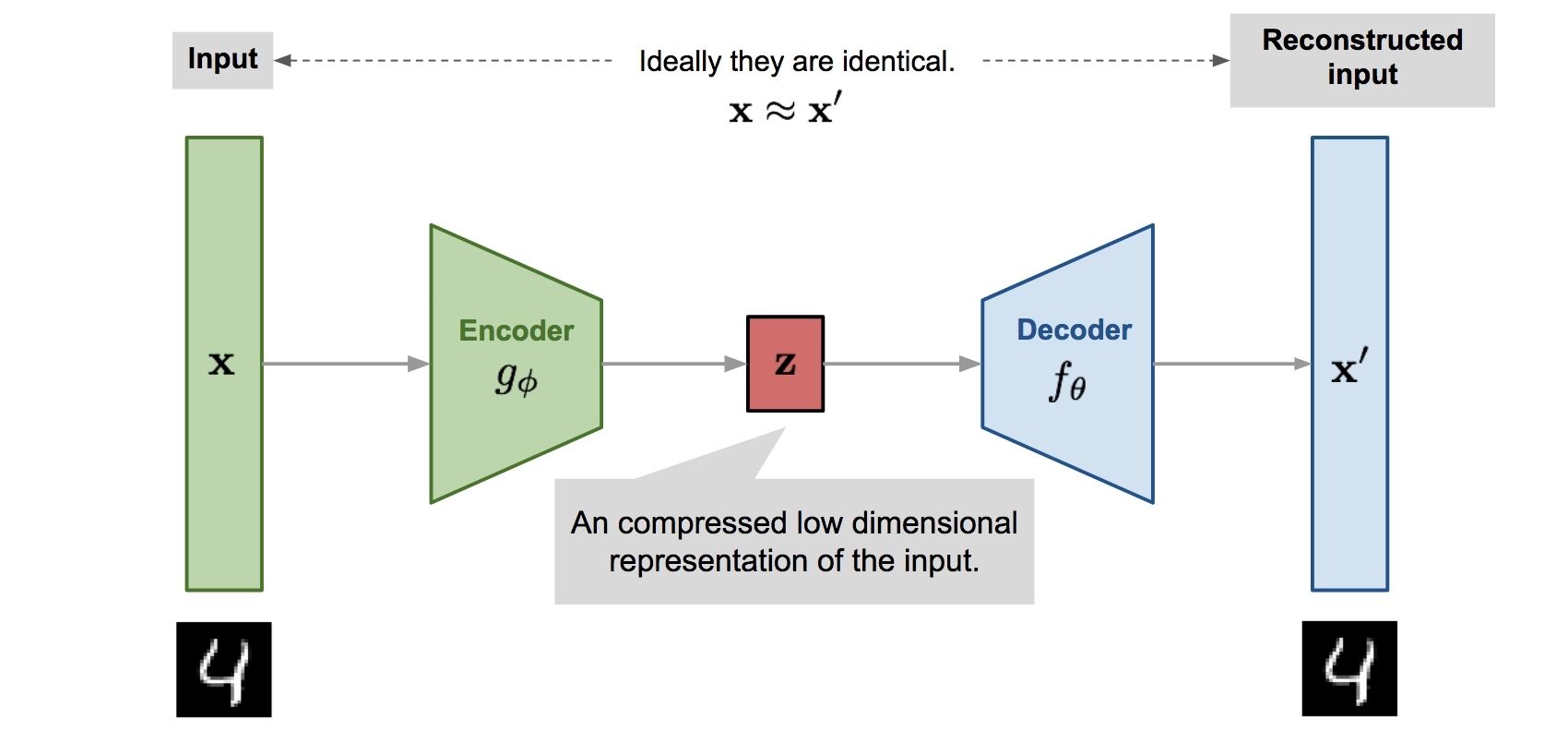
📉 The autoencoder is an unsupervised learning technique that can help you reduce the dimensionality of your data by mapping it to a lower-dimensional representation. This reduced representation can be used for various tasks, such as data compression, denoising, and anomaly detection.

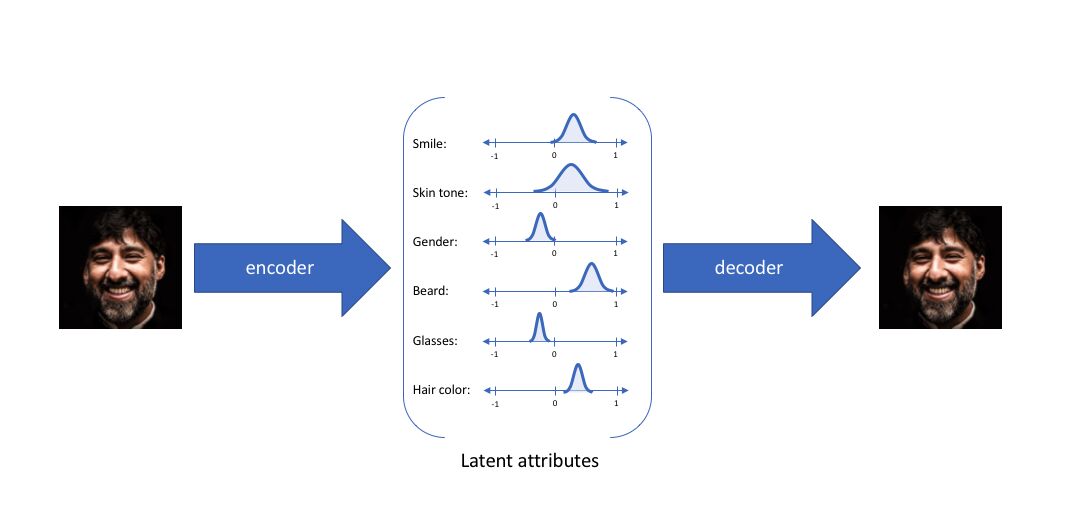
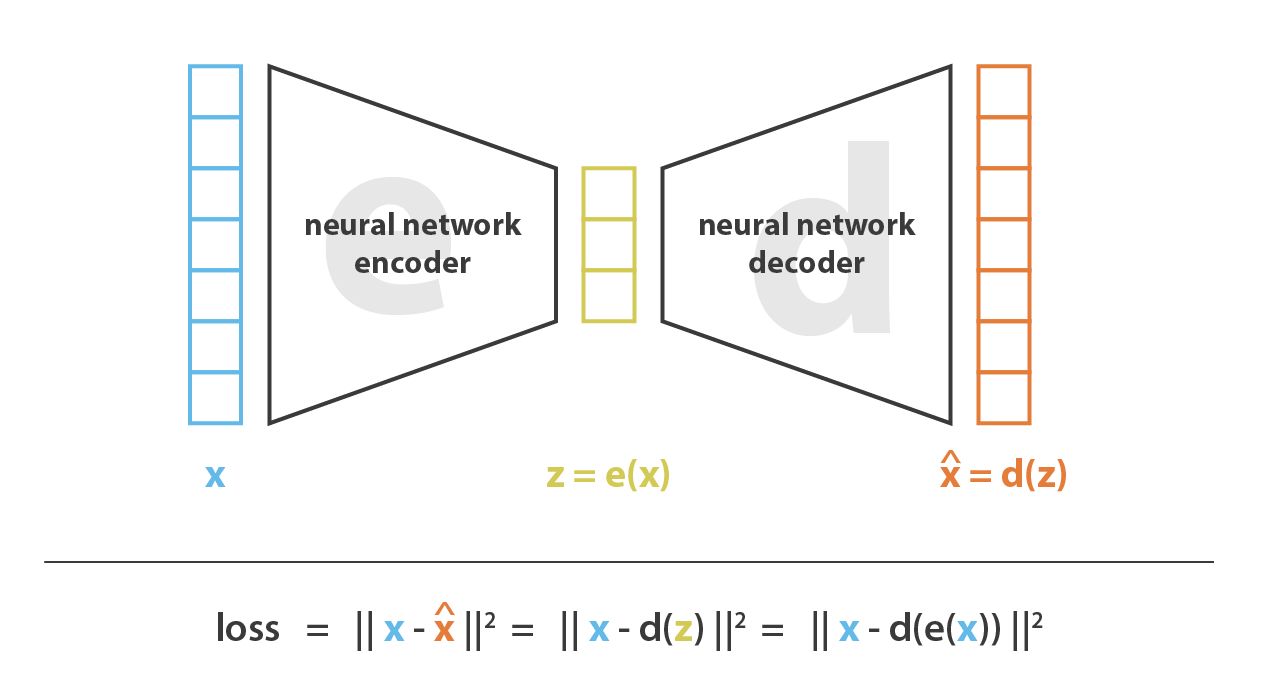
🤓 An autoencoder consists of two neural networks: an encoder and a decoder. The encoder maps the input data to a lower-dimensional representation, while the decoder reconstructs the original input data from the reduced representation. These two networks are trained together by minimizing the reconstruction error between the input data and its reconstructed output.

🔀 Variants of autoencoders, such as denoising autoencoders and variational autoencoders, have been developed to address different challenges and applications.

👉 Denoising autoencoders are used to reconstruct the original input from a corrupted version of the input. By training an autoencoder to reconstruct the original input from a corrupted input, we can learn a more robust representation of the input that is less affected by noise and other forms of corruption.

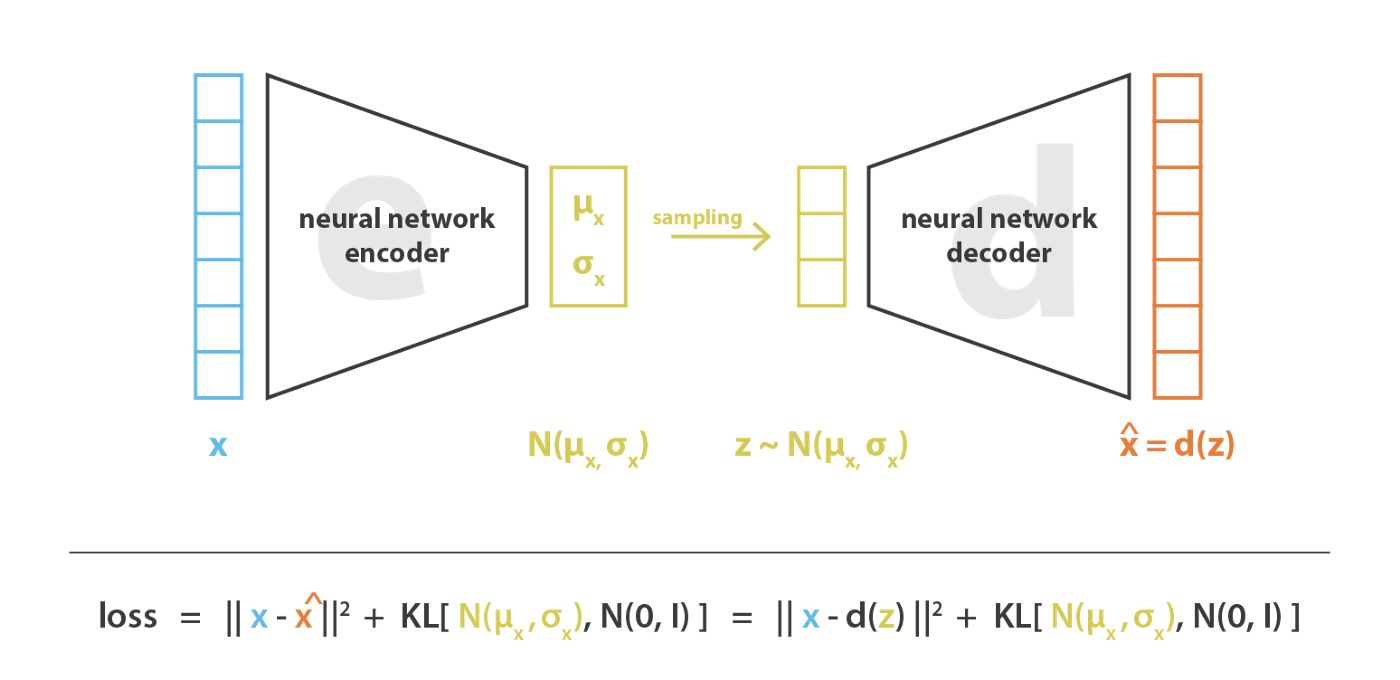
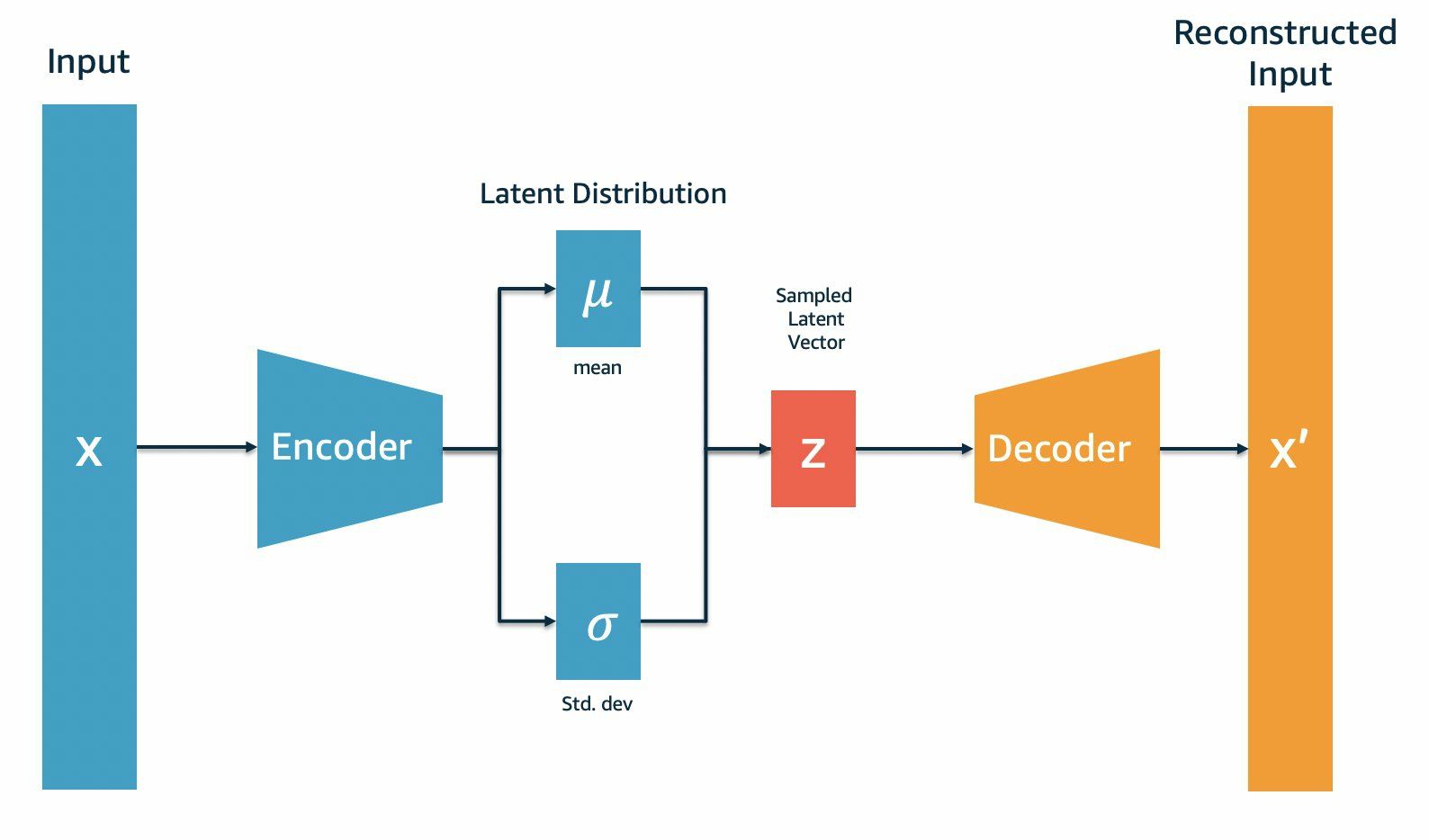
👉 Variational autoencoders are used to generate new data samples that are similar to the training data. By learning the underlying distribution of the data in the latent space, we can sample new data points from this distribution and use the decoder network to generate new samples that are similar to the original data.

🕵️ When only unlabeled data is available, autoencoders can be utilized for unsupervised learning. Autoencoders can learn a compressed representation of the input data that can be used for clustering. By labeling the cluster representative examples, we can reduce the amount of manual labeling required and create a pseudo-labeled dataset with label propagation. This pseudo-labeled dataset can then be used to train a machine learning model for a supervised task.

🏷️ When we have a large amount of unlabeled data and limited labeled data, autoencoders can be used for unsupervised pre-training of machine learning models. Autoencoders can learn a compressed representation of the unlabeled data, and their encoder part can be transferred to a new model architecture for fine-tuning on the limited labeled dataset. This approach can reduce the amount of labeled data needed for supervised learning while improving the accuracy of the trained model.

💬 If you’re learning AI, understanding autoencoders is a must-have knowledge that will help you in the long run. And, if you have any questions about it, feel free to ask me in the comments below!