🧐 As a Machine Learning Engineer, I find autoencoders to be a valuable tool for dimensionality reduction and feature learning.
📉 The autoencoder is an unsupervised learning technique that can help you reduce the dimensionality of your data by mapping it to a lower-dimensional representation. This reduced representation can be used for various tasks, such as data compression, denoising, and anomaly detection.
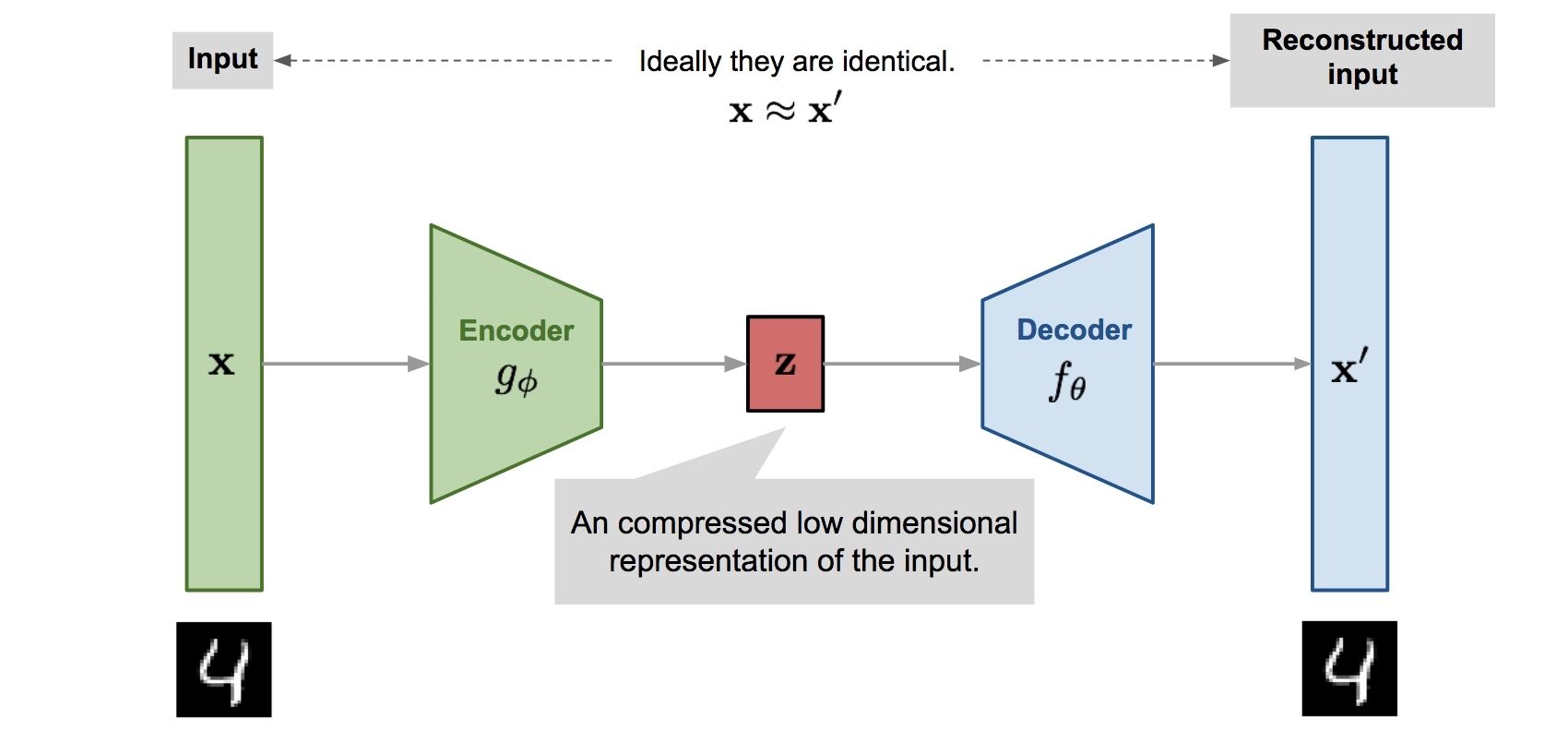
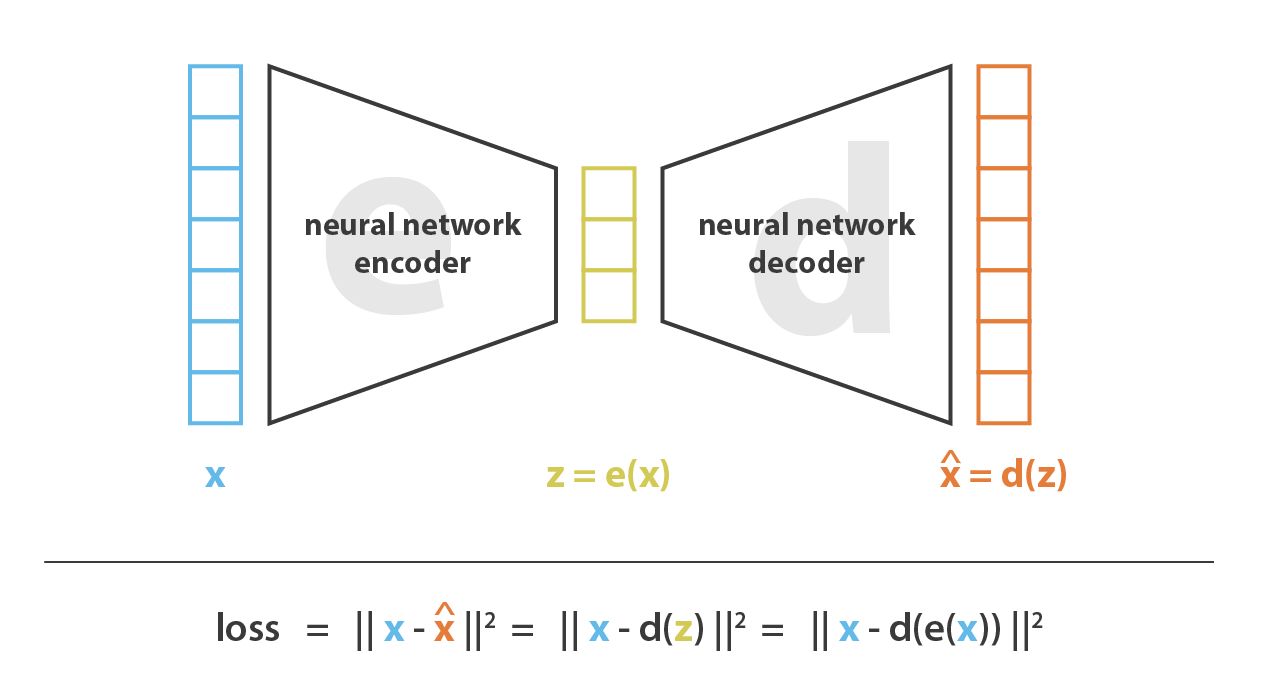
🤓 An autoencoder consists of two neural networks: an encoder and a decoder. The encoder maps the input data to a lower-dimensional representation, while the decoder reconstructs the original input data from the reduced representation. These two networks are trained together by minimizing the reconstruction error between the input data and its reconstructed output.
🔀 Variants of autoencoders, such as denoising autoencoders and variational autoencoders, have been developed to address different challenges and applications.
👉 Denoising autoencoders are used to reconstruct the original input from a corrupted version of the input. By training an autoencoder to reconstruct the original input from a corrupted input, we can learn a more robust representation of the input that is less affected by noise and other forms of corruption.
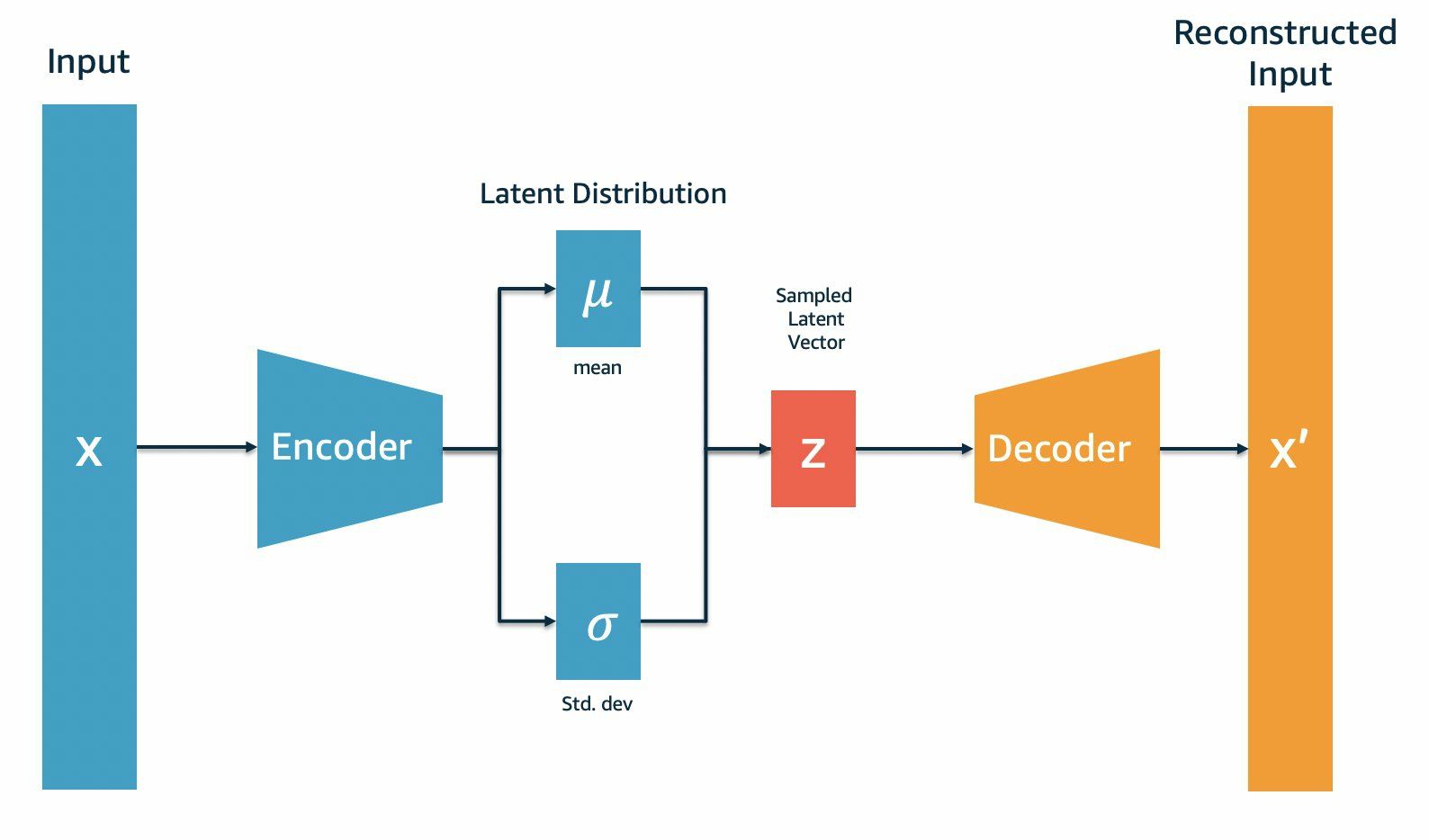
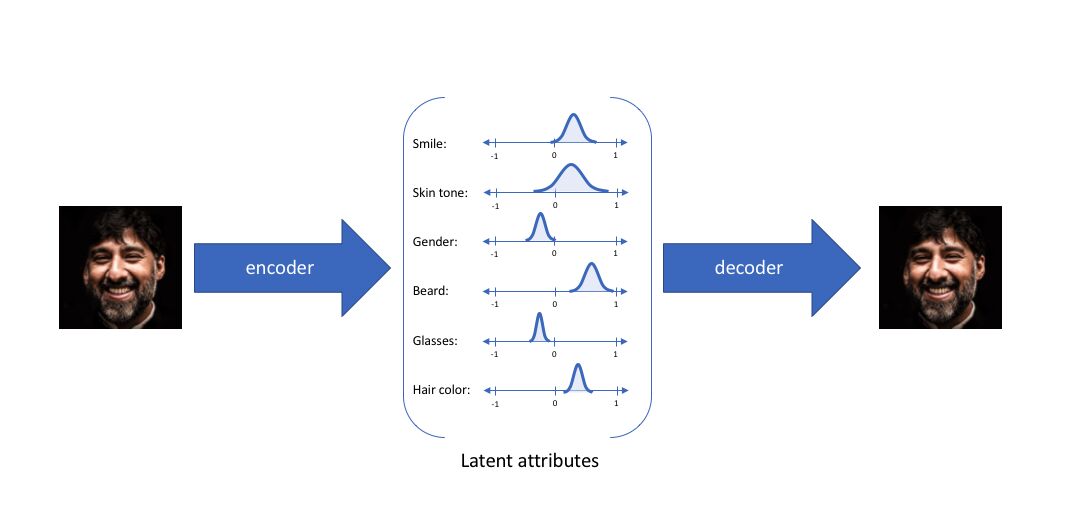
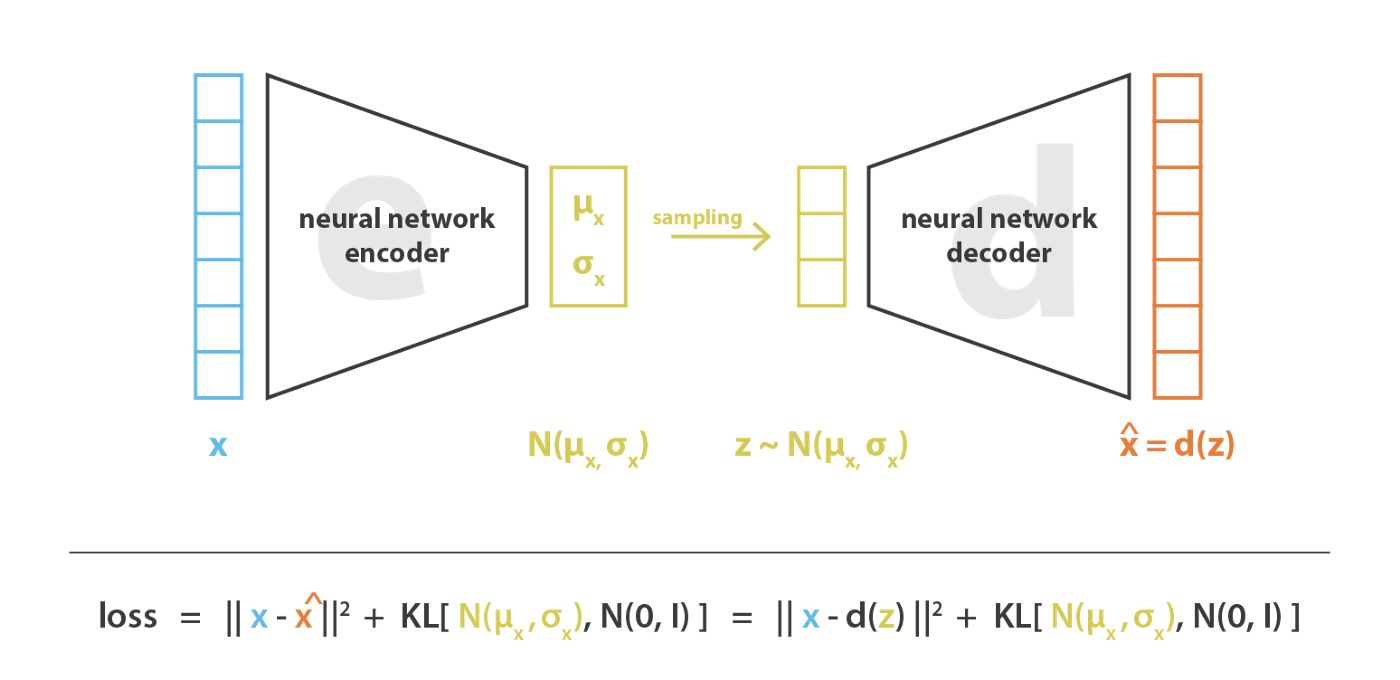
👉 Variational autoencoders are used to generate new data samples that are similar to the training data. By learning the underlying distribution of the data in the latent space, we can sample new data points from this distribution and use the decoder network to generate new samples that are similar to the original data.
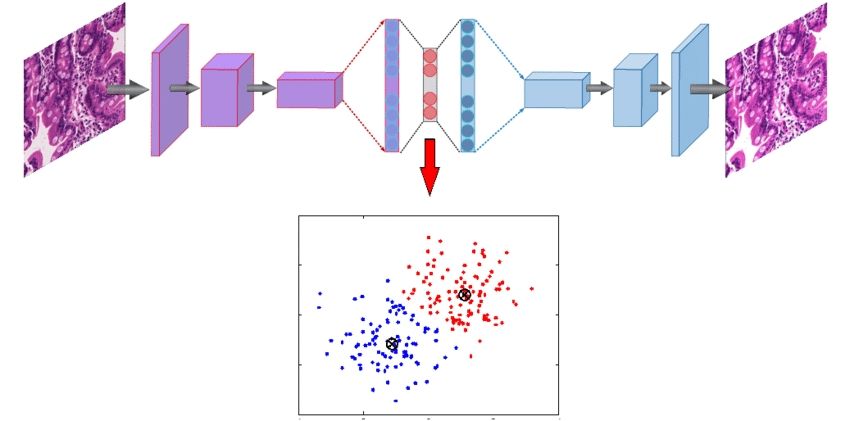
🕵️ When only unlabeled data is available, autoencoders can be utilized for unsupervised learning. Autoencoders can learn a compressed representation of the input data that can be used for clustering. By labeling the cluster representative examples, we can reduce the amount of manual labeling required and create a pseudo-labeled dataset with label propagation. This pseudo-labeled dataset can then be used to train a machine learning model for a supervised task.
🏷️ When we have a large amount of unlabeled data and limited labeled data, autoencoders can be used for unsupervised pre-training of machine learning models. Autoencoders can learn a compressed representation of the unlabeled data, and their encoder part can be transferred to a new model architecture for fine-tuning on the limited labeled dataset. This approach can reduce the amount of labeled data needed for supervised learning while improving the accuracy of the trained model.
💬 If you’re learning AI, understanding autoencoders is a must-have knowledge that will help you in the long run. And, if you have any questions about it, feel free to ask me in the comments below!