As a machine learning engineer working in the depths of Natural Language Processing (NLP), I find myself constantly pondering a fundamental question: Can AI truly imitate human language?
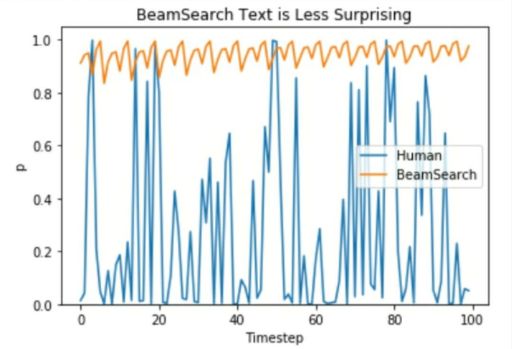
On a technical level, our current state-of-the-art models like GPT are essentially sophisticated engines trained to predict the next word in a sequence. They generate text using a variety of heuristic and stochastic search techniques. For example, Beam Search, Random Sampling, or Top-K.
But does this statistical “guessing” actually capture the true complexity and nuance of how we speak and think?
The human brain doesn’t just predict; it generates language in ways that are often unpredictable, emotional, and genuinely surprising. This leads to a deeper mystery: Where does language actually originate, and what kind of probability distributions (if any) govern the linguistic generation within the human brain?
Is our current technology truly replicating language, or just a very convincing echo of it?
What do you think? Join the discussion below and share your thoughts on whether we are approaching true linguistic imitation or if the human spark remains out of reach. 🧐